
The Short Answer
Your garage door is one of the heaviest moving objects in your home, often weighing 150 to 400 pounds, and the real dangers come from three things: auto-reverse safety sensors that are blocked or out of alignment, pinch points between panel sections, and worn springs that carry enormous tension. Test your sensors monthly, keep remotes and keypads out of reach of small hands, and never let kids or pets linger near a moving door. The rest of this guide explains why those three habits matter so much and what else deserves your attention.
What Actually Goes Wrong
Most people picture a dramatic accident, but the everyday risks are quieter and more common than that.
Auto-Reverse Sensors That Don't Work
Every garage door made in the last few decades has photo-eye sensors mounted about six inches off the floor on each side of the track. If something breaks the beam between them while the door is closing, the door is supposed to reverse. In humid climates like ours, these sensors can get knocked out of alignment by moisture-swollen tracks, spiderwebs, or lawn equipment bumping the bracket. A misaligned sensor might still blink green and seem fine, but it won't actually stop the door if a child or pet darts underneath.
Pinch Points in the Panels
Older steel doors, and some lower-cost replacement doors, have flat seams between sections where curious little fingers fit perfectly. When the door closes, those seams pinch together with real force. This is one of the most common garage-door injuries for toddlers, and it happens fast, usually while a parent is distracted loading the car.
Springs Under Tension
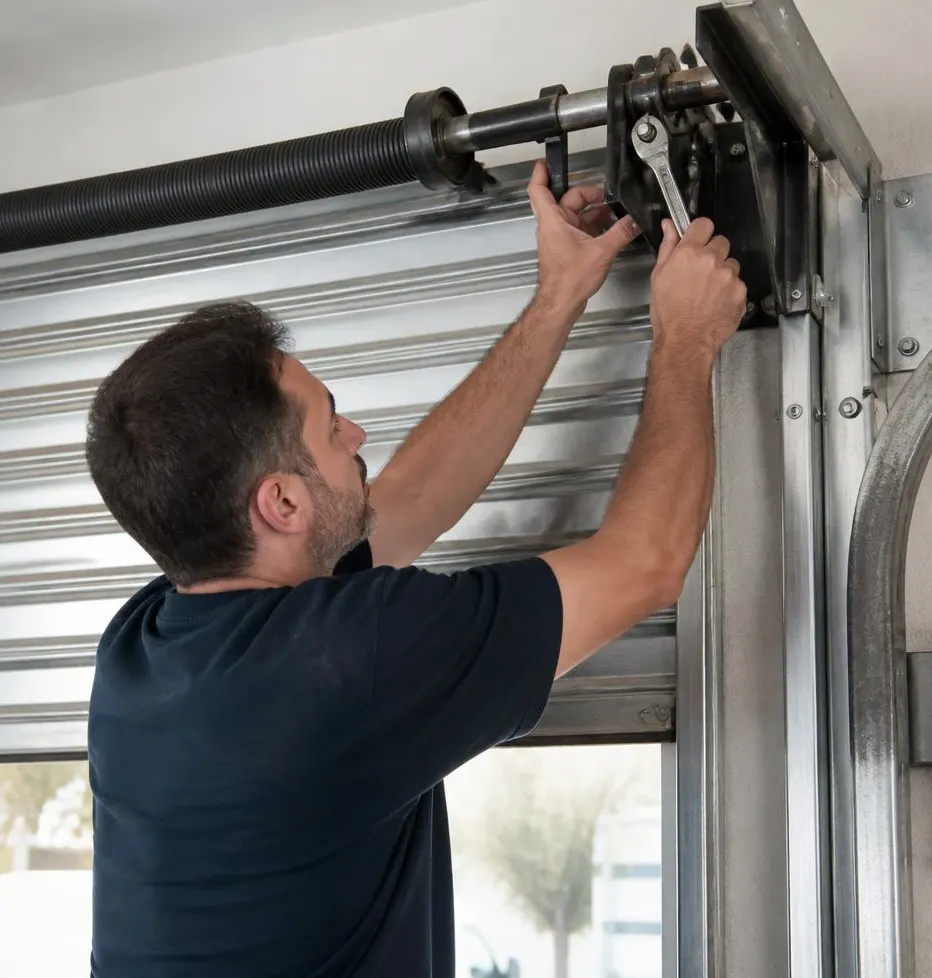
Torsion springs store enough energy to lift a door that weighs as much as a small car. When a spring is rusted, undersized, or simply at the end of its lifespan, it can snap suddenly and violently. This is especially relevant here, since humidity and afternoon storms accelerate rust on springs and hardware that aren't inspected regularly. A spring failure near a child or pet standing in the garage is a serious hazard, not just a maintenance inconvenience.
Remotes, Keypads, and "Just Playing"
Garage door openers look like toys to a three-year-old. A remote left on a low shelf or a wall button within toddler reach can trigger a door to close with someone still underneath. Pets add another layer of risk because they move fast and low, exactly where sensors can miss them if alignment has drifted even slightly.
How Bad It Can Get
The consequences range from minor pinches and bruises to broken fingers, crush injuries, and in the worst cases, entrapment under a closing door. Broken springs have caused serious injuries to people standing nearby when they let go. None of this requires a freak accident, it just requires one unchecked sensor, one accessible remote, or one corroded spring that nobody noticed.
The Specific Actions That Prevent It
- Test the auto-reverse function monthly. Place a roll of paper towels or a 2x4 on the ground where the door closes. If the door doesn't reverse on contact, stop using it until it's repaired.
- Check the photo-eye sensors. Make sure both sensors are clean, aligned at the same height, and not obstructed by stored items, cobwebs, or humidity-related grime that builds up faster in our climate.
- Install or verify a wall-mounted control out of child reach. Mount it at least five feet up, and consider a cover guard that requires lifting a flap before pressing the button.
- Keep remotes off low shelves and out of cars left unlocked in the driveway. Treat them like car keys, not toys.
- Inspect panels for pinch-prone seams. If your door is older, ask about pinch-resistant panel designs during your next service or replacement.
- Have springs inspected at least once a year. Rust, pitting, or visible gaps in the coils are warning signs, especially after a wet season of afternoon downpours and high humidity.
- Teach kids the door is not a toy. Simple rules, like never pressing the button when someone is in the doorway, go a long way.
- Watch for sticking or sudden release. Swollen tracks or panels from moisture can cause a door to stick, then jerk free unexpectedly. If you notice this, don't wait, get it looked at.
- Keep pets away from the door's path during opening and closing. A trained "stay" command near the garage door is worth the effort, especially for dogs that like to bolt outside.
When to Call Precision Garage Door of East Lake Weir
If your sensors aren't stopping the door reliably, if you hear grinding or see rust on the springs, or if the door feels heavier or sticks before closing, it's time to call us. Our technicians handle Garage Door Spring Repair and Garage Door Tune-Up & Maintenance for homes throughout Marion County, and we'll check sensor alignment, spring tension, and panel condition as part of every visit. We show up on time, explain what we find in plain language, and fix the problem the same day whenever possible.
If you have kids, pets, or just want peace of mind heading into another humid Florida season, schedule a safety inspection with Precision Garage Door of East Lake Weir today. We serve East Lake Weir, Ocklawaha, Weirsdale, Belleview, Summerfield, Lady Lake, Silver Springs, and Ocala, call us and let's make sure your garage door is doing its job safely.