
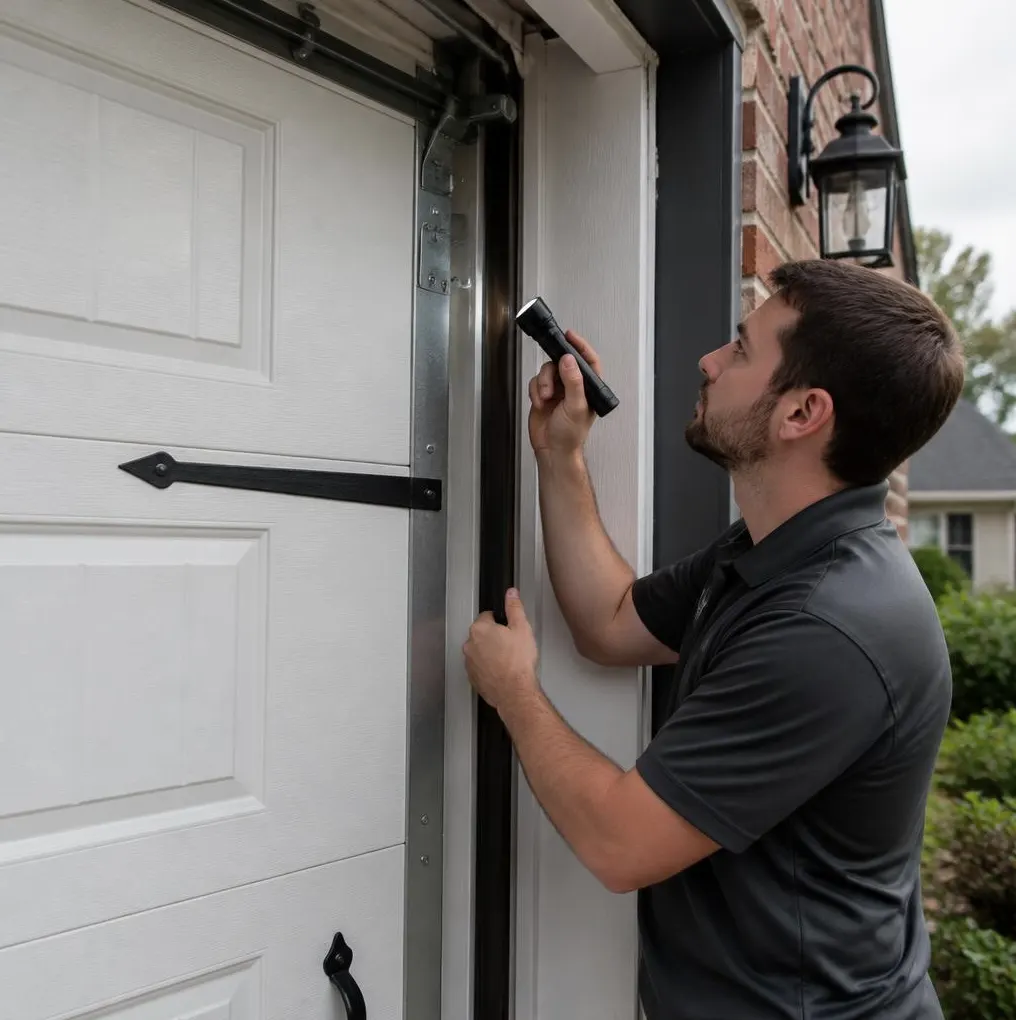
Winter Garage Door Prep for East Lake Weir Homes
The short answer: lubricate the moving parts, check the weatherstripping, test the balance, and inspect everything that took a beating during hurricane season. Florida winters don't bring snow, but the drop in humidity and the occasional cold snap expose problems that summer's heat and moisture were hiding. Here's how to work through it properly.
Why Florida Winter Still Matters for Your Garage Door
After months of heat, humidity, and afternoon downpours, Marion County settles into a drier, cooler stretch from November through February. Nights can dip into the 40s, sometimes colder during a hard freeze. That swing from humid and hot to dry and cool is harder on a garage door than people expect. Metal components that swelled slightly from moisture now contract. Lubricant that worked fine in August can thicken or dry out. Wood-composite doors that absorbed humidity all summer start to shrink back down, which can open gaps around the frame. None of this is dramatic on its own, but it adds up to squeaks, misalignment, and drafts if you ignore it.
Step 1: Lubricate Before Things Start Grinding
Hinges, rollers, tracks, and the torsion spring all need fresh lubricant heading into winter. Use a silicone-based garage door lubricant, not household oil or WD-40, which attracts dust and grime and doesn't hold up over time. Spray a light coat on the hinges, the roller stems (not the nylon rollers themselves if you have them), and the full length of the springs. Work the door up and down a few times to let the lubricant settle into the moving parts. If you've been hearing a grinding or squeaking noise since the end of summer, this alone often fixes it.
Step 2: Check the Weatherstripping
The rubber seal along the bottom of the door and the vinyl strips along the sides do double duty in this climate — keeping out summer rain and winter drafts. Cooler, drier air makes rubber seals brittle faster than you'd think. Run your hand along the bottom seal and side seals and look for cracking, flattening, or gaps where daylight shows through. A worn seal lets in cold air overnight, lets pests looking for warmth find a way in, and won't hold up when storm season starts again next year. Replacing weatherstripping is inexpensive and takes less than an hour.
Step 3: Test the Balance and Listen for Spring Trouble
Temperature swings put extra stress on torsion springs, and if yours were already worn down from the humidity and heavy use of hurricane season, winter is often when they finally fail. Disconnect the opener by pulling the release cord, then lift the door halfway by hand. It should stay in place on its own. If it drifts down or feels heavy, the spring tension is off and it's a job for a technician — springs are under serious tension and not safe to adjust yourself. Catching this now beats getting stuck with a door that won't open on a cold morning.
Step 4: Inspect Cables and Rollers for Rust
Months of humidity, afternoon storms, and salt-tinged air moving inland can leave a film of rust on cables, roller stems, and tracks, especially if your garage doesn't get much airflow. Rust on a cable is a bigger problem than rust on a roller — a frayed or corroroded cable can snap. Look closely at the bottom few feet of each cable, where it wraps around the drum, since that's the most common spot for wear. If you see rust, fraying strands, or flat spots on the rollers, get them replaced before the cold weather makes the metal more brittle.
Step 5: Reseal Gaps Before Pests Move In
As temperatures drop, rodents and insects look for warm, dry places to settle in, and a garage with gaps around the door frame is an easy target. While you're checking weatherstripping, also look at the corner seals and the threshold where the door meets the slab. Gaps here let in cold drafts and give pests a point of entry. A simple bead of exterior sealant along the frame, paired with new weatherstripping, closes most of these gaps.
Step 6: Give the Opener a Once-Over
If your area lost power during storm season, check that your opener's battery backup (if it has one) is holding a charge — it's easy to forget about until you actually need it. Test the safety sensors by waving a broom handle under the door while it's closing; it should reverse immediately. Wipe down the sensor lenses, since dust and pollen from the dry season settle on them more than you'd expect.
When to Call Precision Garage Door of East Lake Weir
If your door is off balance, a spring looks worn, or you're hearing grinding that lubricant didn't fix, that's the point to call in a technician rather than keep testing it yourself. Precision Garage Door of East Lake Weir handles Garage Door Spring Repair and Garage Door Tune-Up & Maintenance for homeowners throughout East Lake Weir, Ocklawaha, Weirsdale, Belleview, Summerfield, Lady Lake, Silver Springs, and Ocala. A tune-up covers the lubrication, balance check, hardware inspection, and weatherstripping assessment in one visit, so you're not guessing which part needs attention before the cold sets in.
If your garage door needs a seasonal check before winter settles in, call Precision Garage Door of East Lake Weir, FL today to get it taken care of.